The Turning Point: A summer solstice retreat for women in Oxford
Friday 19th June, 9.30am – 1.30pm | Half-day women’s wellness retreat in Oxford


Close to the summer solstice — the longest day of the year — a small group of women will gather in a rose-filled garden in Oxfordshire to pause, breathe, and ask: what am I carrying? What do I want to set down? What am I turning towards?
The Turning Point is a half-day retreat for women in midlife combining somatic movement, slow flow yoga, evidence-based psychological coaching, and deep rest yoga nidra. Led by yoga teacher and massage practitioner Katie Wheater and Clinical Psychologist Dr Kristin Bohn, it is unlike any other women’s retreat in Oxfordshire.
What to expect at this women’s retreat in Oxford
If the weather is friendly, many, if not all aspects will take place outside in Katie’s beautiful, slightly wild, rose-filled garden with shade and sunlight immersing you in nature.
9.30am You arrive to a warm footbath, tea or coffee, and birdsong. Almost before a single word is spoken about the day ahead, you are already being tended to. Your shoes come off. The weight of the morning — the drive, the week, the everything — begins to soften.
We open together with breath: a gentle, guided arrival that brings you fully into your body and into the room. Katie and Kristin introduce the day, hold the space with care and confidentiality, and ensure you feel completely safe before anything else begins.
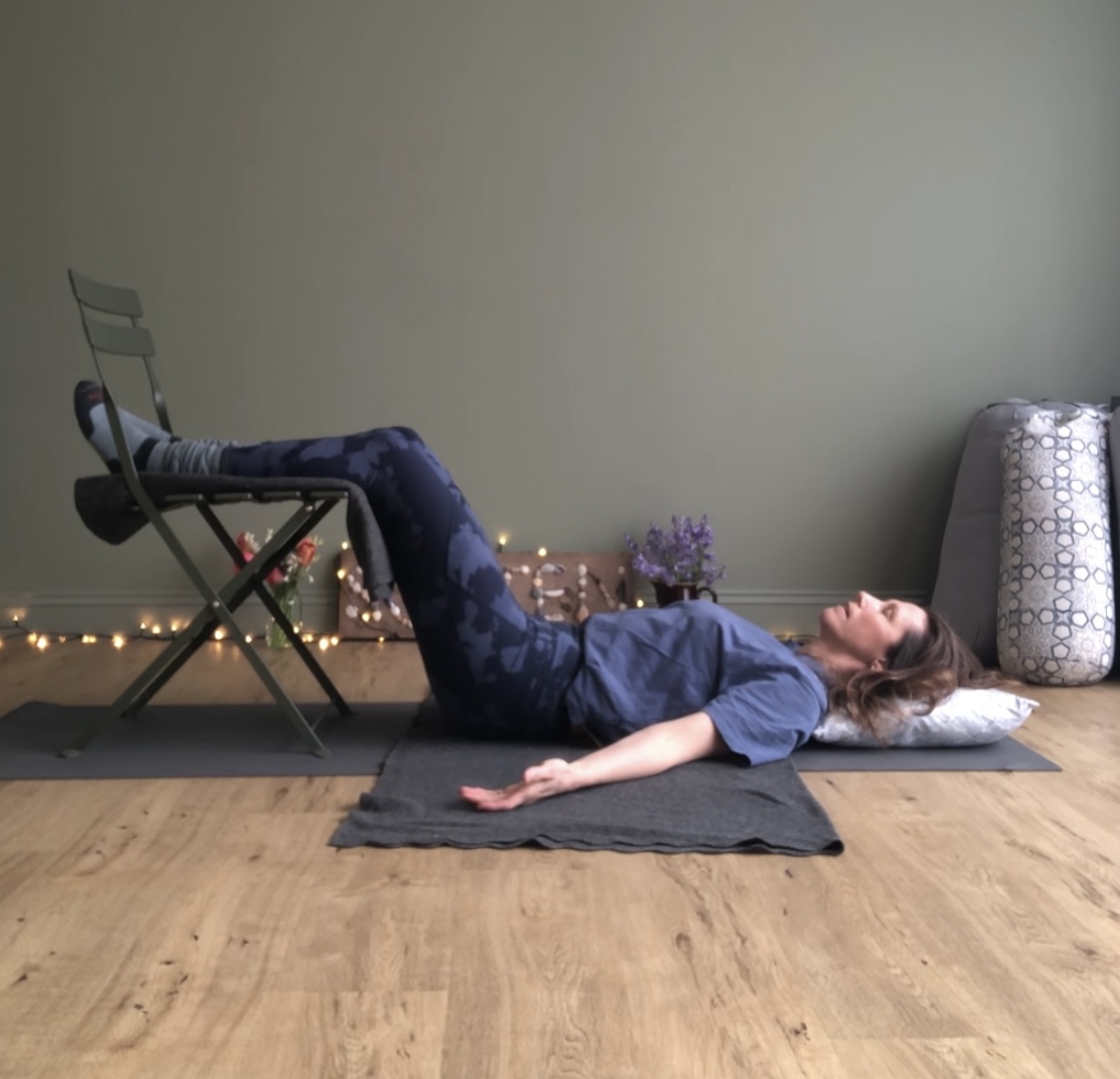
9.50am Somatic movement and slow flow yoga with Katie. This is movement from the inside out — not performing shapes, not achieving anything, just listening. What does your body want to do? Where is it holding? Where does it want to release? This is not just a yoga or movement class. It is listening, learning, responding: an invitation back into yourself.
10.30am Dr Kristin Bohn, Clinical Psychologist and Positive Psychology Coach, takes you into the first of two sessions. This morning’s focus is reconnecting with yourself beneath the noise of everyday life — exploring the ways many women in midlife can lose touch with their own needs, values and sense of alignment through years of responsibility, caregiving and constant doing. Through gentle psychological reflection and journalling, Kristin will guide you to slow down, listen inward and reconnect with what truly matters in this season of life.
11.30am Guided by the elements, we’ll decide on the day how friendly the weather is but we have options here. If the weather is warm and dry, you’ll be offered a walking meditation in the garden. A guided experience, moving slowly in the solstice light, the ground under your feet, birdsong overhead. You’ll then be invited to choose a space to sit alone, with your tea, your thoughts, the sky, and whatever has started to surface.
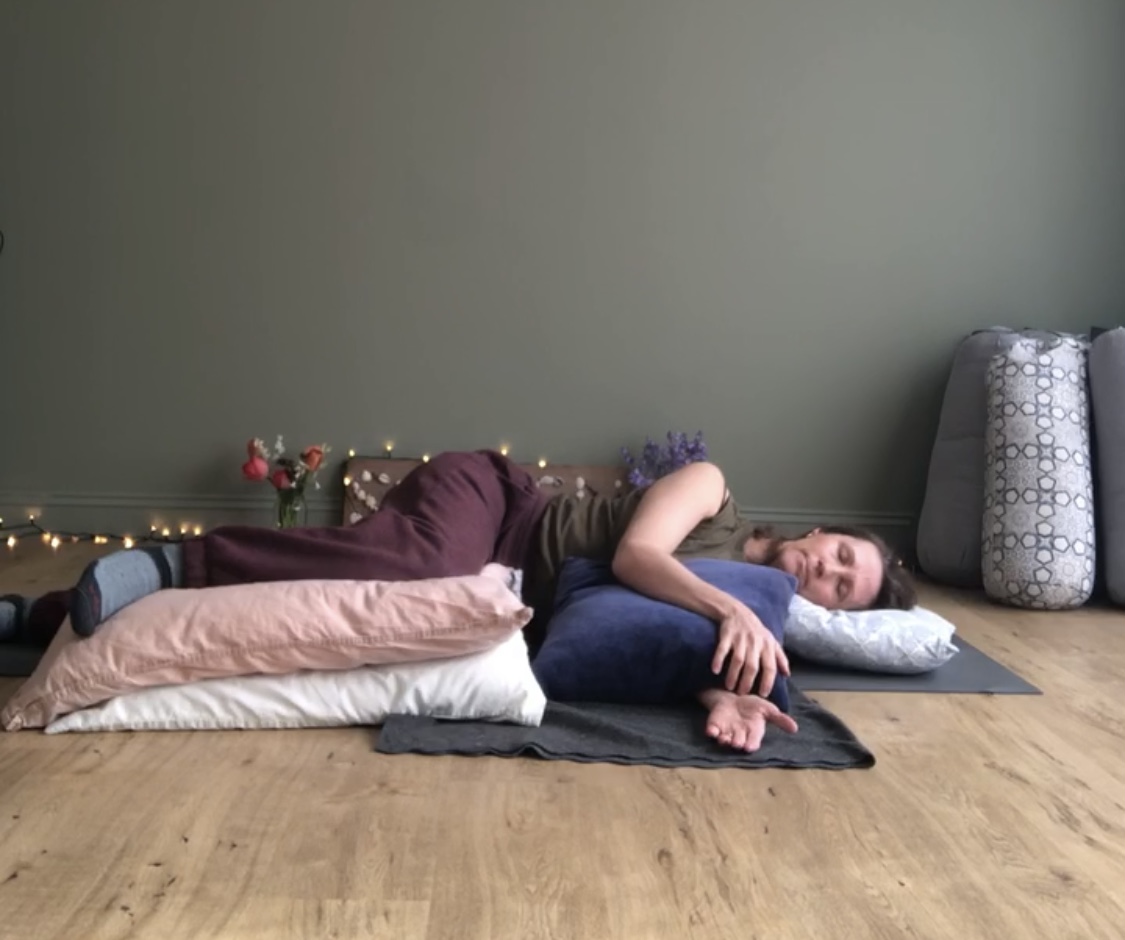
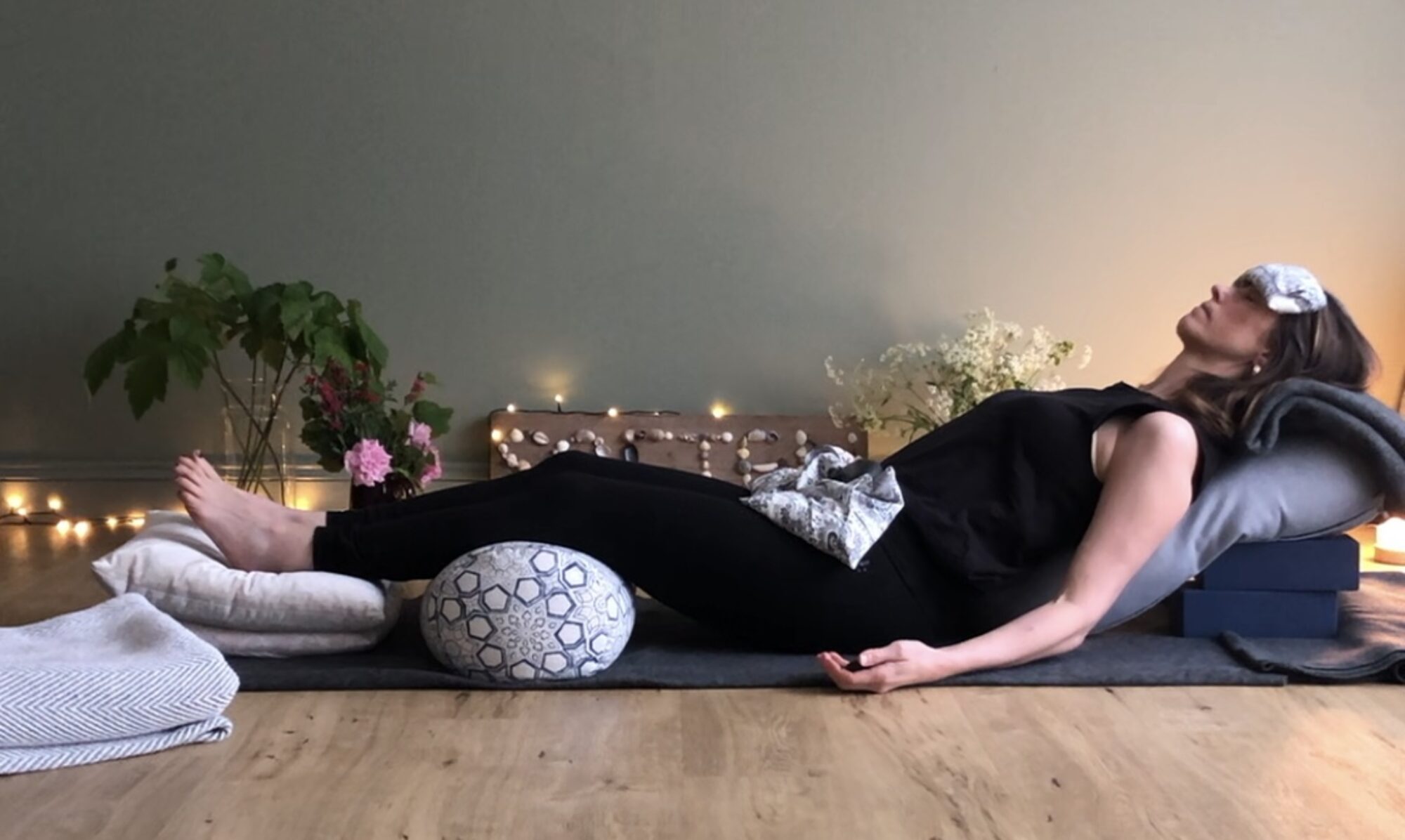
If cool or wet, you’ll be invited to experience cocooning: we’ll wrap you in blankets, bolsters, supported, an eye pillow placed gently over your eyes. You have nothing to do and nowhere to be. And then Katie moves quietly between each of you — gentle amma pressure, soft rocking — the oldest form of touch there is. Women describe this as the moment they finally, let go.
Midday Tea, coffee, and nourishing snacks. A pause. And then Kristin returns for part two: integrating what has emerged from the morning. Through reflective exercises and gentle psychological exploration, Kristin will guide you to reconnect with your own desires, values and sense of aliveness — considering what may now be asking for more space, expression or attention in this next season of life. With a focus on self-trust, emotional alignment and authentic living, this session offers an opportunity to reflect on what it might mean to move forward with greater clarity, intention and connection to yourself.
This is where the somatic work and the psychological work meet — where the body’s wisdom becomes something you can name, and act on.
1.00pm Yoga nidra with Katie. You lie down for the last time. Completely held, completely still, in the threshold between waking and sleep. This is where everything integrates — where the nervous system consolidates the shift, where the unconscious does its quiet work, where the body rests and the conscious mind becomes spacious.
1.20pm A closing circle. What are you leaving with? What are you leaving behind? And then, gently, back into the world.
Is this midlife women’s retreat right for you?
- You sense that something is shifting — in your body, your priorities, your sense of self
- You are tired in a way that a holiday doesn’t fix
- You have been the one holding everything together and you are ready, just for a morning, to be held
- You are curious about what comes next, but haven’t had the space or silence to hear the answer
- You have never done anything like this before and you are a little nervous and also quietly sure it’s exactly what you need
No yoga experience required. No flexibility required. Everything you need is provided — mats, bolsters, blankets, eye pillows, food and drink. You just bring yourself.
Your Oxford retreat facilitators
Katie Wheater is a yoga teacher, nutritionist and massage practitioner based in Oxford, specialising in women’s wellbeing, nervous system regulation, and the particular needs of midlife women’s bodies. She has been working with women in this way for years — and her cabin, her garden, and her hands have held a great many of them.
Dr Kristin Bohn is a Clinical Psychologist and Positive Psychology Coach. Her work is grounded in the science of wellbeing, human flourishing, and what it means to live a life aligned with your deepest values. She brings warmth, precision, and a rare capacity to hold both the complexity and the possibility of midlife.
Together, we cover the whole woman. The body and the psyche. The release and the direction. The turning and the arriving. We love a flower crown at sunset and we’re both wild swimmers, but at our own mid-life points, we know that real change, real depth, real transformation, real turning points, take work. That’s why we’re offering this unique partnership – the change to uncover your own embodied understanding of what you truly want and how to get there. Led by Katie, somatic movement, breath and yoga practices will help put you in touch with your body. Kristin’s work will delve deeper still, helping you reconnect with your values, desires and a sense of self through reflective psychological exploration, guided journaling and self-trust work.
Pricing & how to book
Early bird pricing for The Turning Point: £100 until the end of May: BOOK HERE. After the 31st May, the price increases to £125.
Committed to this journey and love working with us? Enjoy a huge discount and sign up to all three of our seasonal half day retreats:
Friday 19th June, 9.30 – 1.30pm: The Turning Point
Friday 2nd October, 9.30 – 1.30pm: Turning Home
Friday 15th January, 9.30 – 1.30pm: Turning Inward
Sign up to all three for £275 until the end of May, £350 for all three until 19th June. Each retreat is different, meeting you just where you are, supporting you and guiding you onwards. BOOK ALL THREE SEASONAL RETREATS HERE.